Friday, 6 January 2017

Lancet study shows living near busy roads increases risk of dementia


Credit: Autonet

Researchers in Ontario, Canada have discovered that people who live near busy roads have an increased risk of dementia. Among those living within 50 metres of a main road there was a 7% higher risk. Between 50-100 metres the risk fell to 4%, & between 101-200 metres, down to 2%. No increase in risk was detected beyond 200 metres.

This was no small study – over 6 million people were tracked over the 10 years ending in 2012.

Although demonstrating an association between proximity to busy roads & dementia, this study does not suggest a mechanism. One possibility is provided by a small study (37 people), which shows that magnetite nanoparticles (abundant in the airborne pollution found in urban settings, especially next to busy roads) in human brains are also associated with diseases such as dementia.1

Whatever the cause, electric cars are most likely not implicated – one more reason to hurry their widespread adoption.

Something else not defined in any of the references I have been able to locate is a, “major road”.

There is a positive aspect to this study – the incidence of multiple sclerosis & Parkinson's disease were also monitored, but no association was detected.

The Sydney Morning Herald – “Living near busy roads increases dementia risk: Lancet study”, http://www.smh.com.au/national/health/living-near-busy-roads-increases-dementia-risk-lancet-study-20170105-gtm8r1.html

The Guardian – “Living near heavy traffic increases risk of dementia, say scientists”
https://www.theguardian.com/society/2017/jan/04/living-near-heavy-traffic-increases-dementia-risk-say-scientists

Lancet article – if you don’t already have access, be prepared to pay for anything more than a summary http://www.thelancet.com/journals/lancet/article/PIIS0140-6736(16)32399-6/fulltext
__________

1 CNBC: “Alzheimer's link? Study finds air pollution particles in human brain”, https://www.cnbc.com/2016/09/06/alzheimers-link-study-finds-air-pollution-particles-in-human-brain.html
/ living near busy roads increases dementia risk Lancet study dementia more common people who live near main roads major study raising more concern impacts impact traffic pollution people's health researchers tracked 6.6 million people Ontario Canada decade 2012 closer people lived busy roads greater their risk dementia 7 per cent higher risk developing dementia living within 50 metres main road 4 per cent higher risk at 50-100 metres 2 per cent higher risk 101-200 metres no increase risk living more than 200 metres away study highlights association air pollution experts crucial global health concern millions of people warranted further investigation preventative measures could be found Dr Hong Chen lead author research published The Lancet busy roads source environmental stressors may give rise to dementia increasing population growth urbanisation placed many people close heavy traffic widespread exposure traffic growing rates dementia modest effect from near road exposure pose large public health burden more research understand link needed effects different aspects traffic air pollutants noise researchers long-term exposure two common pollutants nitrogen dioxide fine particulate matter associated with dementia other scientists linked air pollution traffic noise reduced brain matter lower cognition first study investigate connection between living near heavy traffic onset major neurodegenerative diseases good news researchers found no link living close to major roads Parkinson's disease multiple sclerosis research designed control people's wealth education levels body mass index smoking link explained factors researchers could not eliminate all potential confounding factors Professor Michael Woodward director aged care research Austin Health chief medical advisor Alzheimer's Australia dementia linked lower socio-economic socioeconomic socio economic status chronic stress insomnia factors more common people living near main roads study prove traffic pollution caused dementia knock-on effect respiratory cardiovascular problems linked living built-up environments dementia linked cardiovascular problems Professor Woodward study trigger more research toxin cause dementia new target preventative drug treatment issue public health warnings living near heavy traffic busy road dementia /

Thursday, 5 January 2017

Withings Steel HR smart analogue watch


Withings Steel HR left, smartphone app right
Credit: Wareable

Smartwatches are struggling to find widespread acceptance. For some, what is missing is the look of an analogue watch. Enter, the Withings Steel HR.

In addition to all of the functionality & looks of an analogue watch, it adds a tiny screen (the small circle between the hands in the image above) which is able to display:
● notifications – text, call & event alerts

● activity tracking, including swimming, tennis, basketball, running, walking, boxing

● heart rate
● sleep

Progress toward the users’ daily activity goal is tracked by the small, circular, analogue dial at the bottom of the watch face.


Withings Steel HR attached to magnetic charging connector
Credit: Smart Gadgets News

Other features:
● water resistant to 50 metres

● battery life is 25 days, after which it changes to low power mode, which tracks steps & swimming, for a further 20 days – a standout against the Apple Watch (barely one day for some users) & even the now-discontinued Pebble which maxed out at 10 days


Hands on: Withings Steel HR review
http://www.techradar.com/reviews/wearables/withings-steel-hr-1327395/review

Withings Steel HR Smartwatch Is A Clever Melding Of Analog & Digital
http://www.forbes.com/sites/anthonykarcz/2017/01/03/withings-steel-hr-announcement-ces/#1900fcc062d8

Withings Steel HR review
http://www.wareable.com/withings/withings-steel-hr-review

Withings Steel HR: Everything you need to know about the smart analogue watch
http://smartgadgetsnews.com/withings-steel-hr-everything-you-need-to-know-about-the-smart-analogue-watch/

Manufacturer's web site
https://www.withings.com/fr/en/products/steel-hr
/ Withings Steel HR smartwatch analog digital Withings unique approach Steel fitness trackers analog watches special tracker dials bulked-up bracelets LEDs screens Withings analog aesthetic smartwatch maker Pebble Steel HR full production run Withings smartwatch CES Steel HR classic analog watch black and silver casing small screen small circular screen notifications activity tracking built-in heart rate monitor water resistant to 50 meters shower or pool swimming several activities tennis running boxing Steel HR automatically track metrics heart rate functions sleep tracker your sleep cycles restful wakeful periods duration heart rate notification features Pebble full-screen smartwatch Apple Watch at-a-glance indicator texting calling calendar alerts Steel HR test out integration rich notifications Pebble 2 testing Steel HR’s battery life Withings claims average 25 days plus extra 20 days time activity tracking-only power reserve mode heart rate monitor constantly Steel HR last up to five days real-life battery testing Withings Steel HR fitness wearable market heart rate monitor analog watch wear wrist doesn’t look like a prop from an 80s science-fiction TV serial keep track progressing price wise comparable competitors 36mm version 40mm version large bezel limited first batch released late last year pre-orders Steel HR shipping end of the month hands-on review Steel HR website /

Wednesday, 4 January 2017

Battery electric vehicles outperform hydrogen fuel cell vehicles – even Toyota has noticed


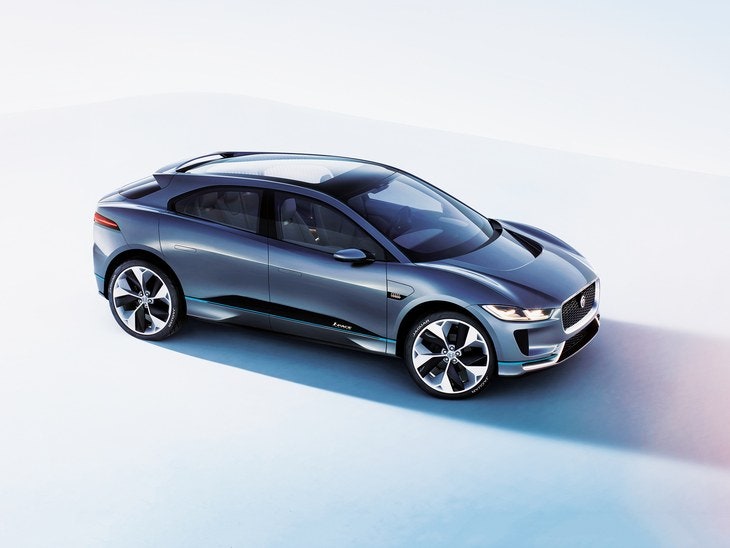
Jaguar I-PACE battery electric SUV concept vehicle planned for 2018 production
Credit: Jaguar Land Rover/Wired

Disadvantages of hydrogen fuel cell vehicles (HFCVs) compared to battery electric vehicles (BEVs) have been recorded in these pages before:
https://hhg2tech.blogspot.com/2016/01/can-fuel-cells-compete-with-batteries.html

Despite the overwhelming disadvantages, some manufacturers, perhaps most notably, Toyota, but including Hyundai & Honda, persist with limited HFCV programmes.

It is timely then, that a new study from Stanford University has once again confirmed the superiority of BEVs (Battery Electric Vehicles).

Clean Technica – “Study: Battery EVs Better For Emissions Reductions Than Hydrogen Fuel Cell Vehicles”
https://cleantechnica.com/2016/11/17/study-battery-evs-better-emissions-reductions-hydrogen-fuel-cell-vehicles/

Even Toyota appears to have noticed – as indicated by formation of a unit with a staff of four [sic] to plan a BEV strategy.

Reuters – “Toyota sharpens focus on electric cars through new in-house unit”
http://www.reuters.com/article/us-toyota-electric-idUSKBN13C0HW
/ battery EVs battery electric vehicles BEVs emissions reductions hydrogen fuel cell vehicles HFCVs new study Stanford University corroborated common sense battery electric vehicles battery electric vehicles BEVs reduction of greenhouse gas emissions hydrogen fuel cell vehicles hydrogen ideologue quantified in detail new study communities investing in electric vehicles hydrogen infrastructure additional energy benefits community clean transportation large-scale adoption electric vehicles total energy use community buildings transportation lead author Markus Felgenhauer doctoral candidate TUM visiting scholar Stanford Global Climate and Energy Project GCEP investing in all-electric battery vehicles more economical choice reducing carbon dioxide emissions primarily lower cost significantly higher energy efficiency researchers focused their work California state consumer hydrogen fuel cell vehicles available substantial state incentives subsidies press release study researchers created future scenarios Town Los Altos Hills sunny affluent community 8,000 residents located Santa Clara County a few miles from the Stanford campus scenarios focused 10 to 20 years in the future battery and fuel cell vehicles much wider use solar power electrolyzers cost competitive electric grid scenario year 2035 assumed assumption electric vehicles town’s vehicle fleet assumed fuel cell vehicles powered by locally produced hydrogen made cheapest available electricity solar generated obtained from the grid data Los Altos Hills computational model developed study co-author Thomas Hamacher professor electrical and computer engineering TUM provided data amount of energy Los Altos Hills needs financial data cost building new energy infrastructures study coauthor Matthew Pellow former GCEP postdoctoral scholar Electric Power Research Institute cost making solar panels electrolyzers batteries model scenario 2035 most economical way meet total energy demand of the community researchers compared carbon dioxide emissions associated with each scenario two scenarios compare overall costs battery electric vehicles better than fuel cell vehicles reducing emissions Felgenhauer noted analysis showed cost competitive fuel cell vehicles priced much lower battery vehicles fuel cell vehicles significantly more expensive battery vehicles foreseeable future supposed benefit hydrogen storing surplus solar energy analysis 2035 small amount solar hydrogen storage heating lighting buildings new findings detailed paper published journal Energy work focused specific part of California researchers findings are widely applicable demonstrate future examinations of other regions Toyota Motor Corp setting new in-house unit develop electric cars strongest endorsement yet technology not embraced wholly take up rival technology pioneered remains slow Japan's biggest automaker Toyota launch unit start with four persons responsible planning strategy developing and marketing electric cars tightening global emissions regulations unit expand engineers designers other personnel various sections company announcement Toyota invested heavily hydrogen fuel-cell vehicles FCVs option developing full-sized electric vehicles rivals Nissan Motor Co Volkswagen AG Tesla Motors touted pure electric cars most viable zero-emission vehicles future Toyota reserve electric vehicles short-distance commuting high price rechargeable batteries lengthy charging times Toyota developing ultra-compact electric vehicles longer-range models product range promoting FCVs plug-in petrol-electric hybrid cars alternative conventional cars position changing hybrids fuel cells recognition battery electric cars traction CASA analyst Chris Richter fuel cells competitive alternative electric vehicles battery electric cars new unit one person each from automaker three group companies machine manufacturer Toyota Industries Corporation parts suppliers Aisin Seiki Co Denso Corp regulations lower emissions vehicles changing very quickly respond quickly spokesman Itsuki Kurosu small size new venture develop electric cars Toyota vehicles essentially emissions-free by 2050 /

Tuesday, 3 January 2017

How wealthy are you?


Credit: Merriam-Webster

People who feel themselves to be disenfranchised often make bad choices. We saw how this worked out following the 1932 elections in Germany, where the people felt disenfranchised by the Treaty of Versailles & the events that followed it.6

More recently, people around the world appear to have made choices at the ballot box, which may have been guided by such feelings.

Your ability to read this, implies a certain level of wealth. You may, none-the-less, feel that you are one of the financially disenfranchised. The Global Rich List quantifies such ideas by ranking incomes against others, world-wide.

Check it out at:

Global Rich List
http://www.globalrichlist.com/
__________

Some representative examples

● USA minimum wage

If you live in the USA & receive the federal government nationwide minimum wage of $7.25 per hour,1 your annual income for 40 hour weeks, 52 weeks per year is :
$7.25 * 40 * 52 = $15,080 pa
Global Rich List places this income in the top 7.80% of richest people in the world


● USA mean personal income

Mean personal income in USA is $44,510 based on the Population Survey for 2015.2
Global Rich List places this income in the top 0.42% of richest people in the world


● Australian Age Pension

In Australia, the safety net for the elderly, is called the Age Pension. It is paid to all citizens (& some long-term residents), who pass age & means tests.3 Top rate, without supplementary benefits, is $794.80 per fortnight.4
$794.80 * 26 = $20,664 pa
Global Rich List places this income in the top 10.67% of richest people in the world


● Australian Newstart Allowance

Newstart Allowance is the benefit paid to the unemployed in Australia. For a single person with no dependent children, it is $528.70 per fortnight.
$528.70 * 26 = $13,746.20 pa
Global Rich List places this income in the top 17.06% of the richest people in the world


● Australian average weekly earnings

Recent figures place average weekly earnings for all workers in Australia at $1,145.605 Full time workers earn more.
$1,145.60 * 52 = $59,571.20 pa
Global Rich List places this income in the top 0.62% of richest people in the world


You’re probably doing better than your thought!
__________

1 Wikipedia: “Minimum wage in the United States”, https://en.wikipedia.org/wiki/Minimum_wage_in_the_United_States

2 “Personal income in the United States”, https://en.wikipedia.org/wiki/Personal_income_in_the_United_States

3 Your Life Choices: “Pension eligibility”,
https://www.yourlifechoices.com.au/age-pension/pension-eligibility

4 Industry Superfunds: “Age Pension”,
http://www.industrysuper.com/retirement-info/age-pension/?gclid=Cj0KEQiA7qLDBRD9xJ7PscDCu5IBEiQAqo3BxFT4zjIwmjrLKTCCAB8EmslnRBHZy9hinEN_8_trcrsaAkco8P8HAQ

5 Business Insider Australia: “Here's how much the average Australian earns in a week”, http://www.businessinsider.com.au/heres-how-much-the-average-australian-earns-in-a-week-2016-2

6 Wikipedia: “German presidential election, 1932”, https://en.wikipedia.org/wiki/German_presidential_election,_1932
/ vulgar splenetic megalomaniac disadvantage injustice inequity inequality unequal unfair liar misrepresentation dishonest psychopath sociopath narcissistic narcissism narcissist megalomaniac thin skin poverty wealth rich poor disadvantage disadvantaged unfair advantage brexit social justice socialjustice vulgar splenetic megalomaniac disadvantage injustice inequity inequality unequal unfair liar misrepresentation dishonest psychopath sociopath narcissistic narcissism narcissist megalomaniac thin skin poverty wealth rich poor disadvantage disadvantaged unfair advantage brexit social justice socialjustice /

Monday, 2 January 2017

Extension to unlimited free Supercharging for Tesla Model S & X


Credit: Hybrid Cars

In November, Tesla announced an end to free Supercharging for Model S & X vehicles. Cutoff date was 31 December 2016.

Now they have announced an extension until 15 January.

/ Tesla grows up free charging Supercharger Tesla gorgeous cars ludicrous acceleration Autopilot over the air updates luxury electric vehicle EV free charging automaker international network Supercharger stations Tesla customers plug in chargers add 200 to 300 miles of range per hour top up depleted battery about 30 minutes driver has a bathroom break bite to eat approach convenience pumping gas conventional car free for life new Tesla buyers plug pay up Tesla Tesla electric vehicle industry Supercharging order Tesla 400 kWh free Supercharging credits per year 1,000 miles of driving Tesla how much it will cost limit small fee cheaper than buying gas ordered charge for free for life 373,000 people $1,000 deposit reserve Model 3 order Tesla new income build new Superchargers worldwide 4605 charging points expand the network Tesla owners free lunch all you can eat buffet not unusual queue of Model S and X cars waiting busy locations August 2015 letter Tesla chided owners over-using Superchargers day-to-day charging at home something away for free harder to manage Art Wheaton studies the auto industry Cornell University’s Worker Institute small dollar amount per fill should encourage people to only take what they need help manage the lines Tesla crucial maintaining positive user experience expensive supercharger Paul Mutolo energy storage chemist Cornell University bunch of cars charging at once big spike power demand big bills from utility companies demand charges making money allow Tesla build Superchargers CEO Elon Musk vision sustainable transport solar panels batteries store energy buffer demand cutting costs at the same time more chargers are coming /

Sunday, 1 January 2017

Happy new year!


Credit: Happy New Year

All the best to you & yours in the coming year.


Saturday, 31 December 2016

Tesla Autopilot predicts an accident before it happens


Just over a second before this collision, the Tesla Model X from which this video frame was taken, sounded a forward collision warning & applied the brakes
Credit: Frank van Hoesel/Electrek

Recent versions of Tesla’s Autopilot are effectively able to see through the vehicle in front by bouncing radar underneath.

Now, a video has appeared, showing a Tesla Model X apparently recognising that the car ahead is about to rear-end the car in front of it, & applying the brakes, a little over a second before the collision.


Video above no longer available – try this:


Another one bites the dust – try this:


Second-by-second – these timings were correct for the first embedded video above – may not apply precisely to later ones

0:04-0:05 Autopilot Forward Collision Warning begins to sound just before the counter moves to “0:05”

0:05-0:06 red car begins to move to the right, revealing the black vehicle ahead for the first time

0:06-0:07 collision – at the 00:06 second mark or just after

Autopilot appears to provide over a second of warning prior to the collision. Plus apply the brakes, according to the Electrek article linked below.

Electrek
https://electrek.co/2016/12/27/tesla-autopilot-radar-technology-predict-accident-dashcam/

Engadget
https://www.engadget.com/2016/12/28/tesla-autopilot-predicts-crash/
/ Tesla cars produced now have full self driving hardware Tesla Team self-driving vehicles play crucial role improving transportation safety accelerating world’s world transition sustainable future full autonomy enable Tesla substantially safer human driver lower financial cost transportation own car provide low-cost on-demand mobility low cost on demand mobility excited announce all Tesla vehicles produced factory Model 3 hardware needed full self-driving capability safety level substantially greater human driver eight surround cameras 360 degree visibility around car up to 250 meters range twelve updated ultrasonic sensors complement vision detection both hard soft objects nearly twice distance prior system forward-facing radar enhanced processing provides additional data about the world redundant wavelength seeing through heavy rain fog dust car ahead make sense data new onboard computer more than 40 times computing power previous generation new Tesla-developed Tesla developed neural net vision sonar radar processing software system view of the world driver alone cannot access seeing in every direction simultaneously wavelengths go far beyond the human senses eight surround cameras provide 360 degree visibility Autopilot Forward Collision Warning /